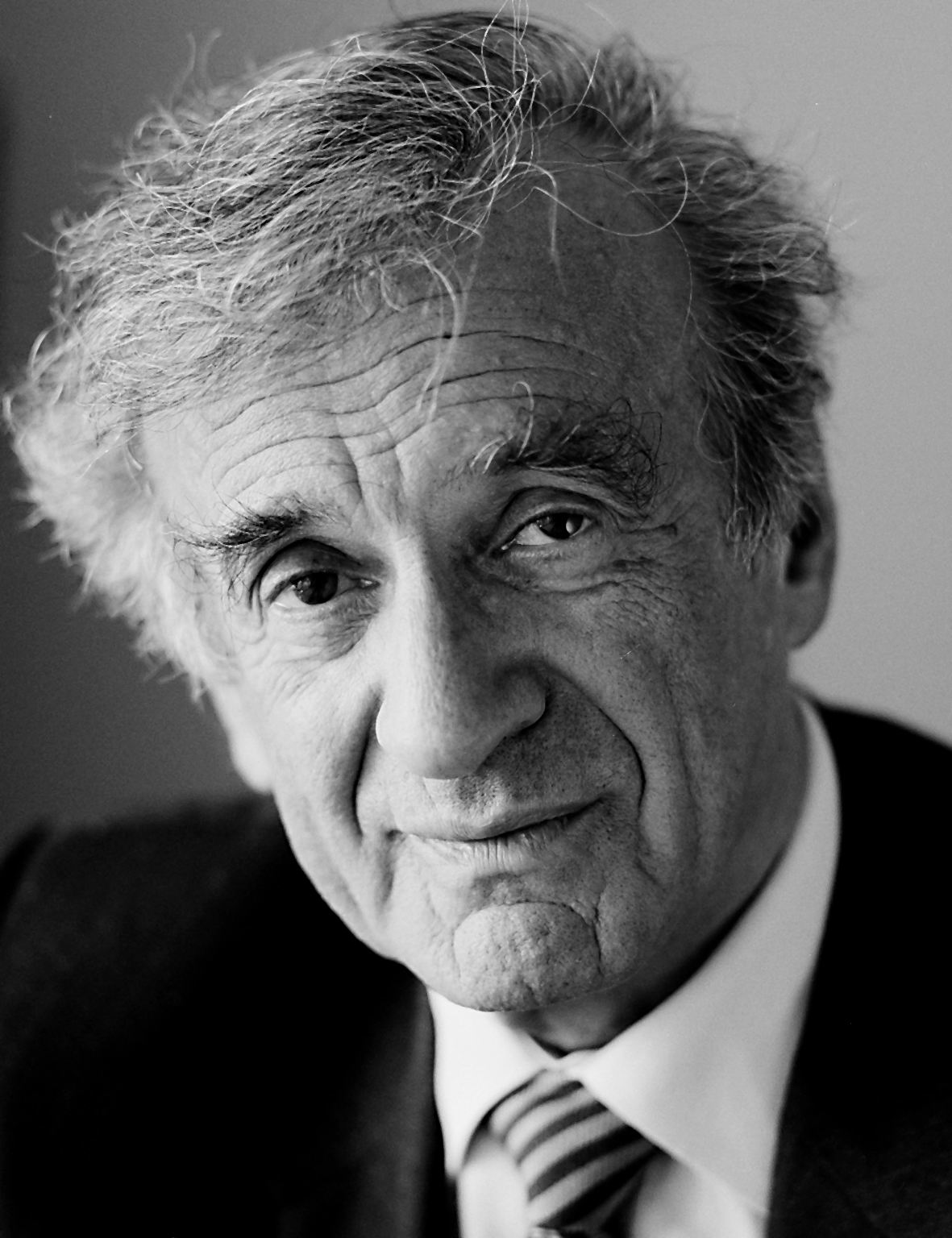

Prof. Elie Wiesel
Nobel Prize Laureate
Boston University
Created to pay tribute to Galen — one of the greatest physicians of antiquity — the award is a constant reminder that the foundation of innovation lies in the universal values of science and patient care.

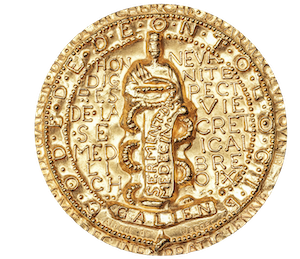
The Prix Galien Medal, designed by Albert de Jaeger — one of the most distinguished medallists of the twentieth century — is a symbol of recognition for breakthroughs that genuinely transform medicine.
Albert de Jaeger (1908–1992), laureate of the prestigious Premier Grand Prix de Rome, created medals for the most significant figures of his era — popes, presidents and world leaders, including Dwight D. Eisenhower and John F. Kennedy.
His works also reached the world of science, culture and the arts — from the Weizmann Institute to distinguished creators and Nobel Prize laureates. He crafted medals for leading public figures, including the Empress of Iran and Princess Grace of Monaco.
For over half a century, the Prix Galien Medal has been awarded to the most outstanding achievements in medicine and pharmacy. It has become one of the most prestigious distinctions in the field.
A mark of recognition for those who are shaping the future of medicine.
Prix Galien honours breakthroughs that combine the highest scientific standards with a real impact on human health around the world.
A tradition that compels
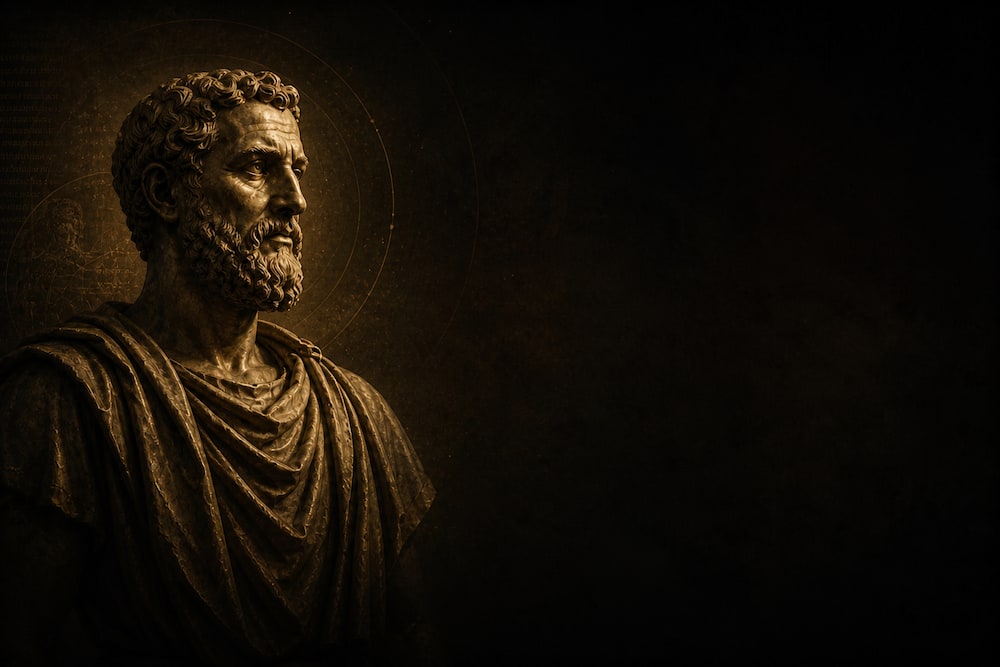
Prix Galien was founded in tribute to Claudius Galenus. This Roman physician, clinician and researcher of Greek origin has been regarded for over two millennia as the father of modern medicine and pharmacy. Born in 131 AD, he studied in Smyrna, Corinth and Alexandria — three centres of medical knowledge in the ancient world. He served as physician at the court of Marcus Aurelius. In Rome he gained a reputation as a healer, teacher, researcher and author of works on medical subjects. His views on the functioning of the human body were so innovative that he became not only the court physician but also the personal doctor of Commodus, the emperor's successor. Galenus died in 201 AD, but left behind over five hundred works on anatomy, physiology, pathology, medical theory and practice, and many forms of therapy.
His works became the foundation of the school known as "Galenism", which dominated medical science until the Renaissance. Galenus created and described 473 original medicines. He was the first scientist to codify so precisely and exhaustively the art of preparing medicines from plant and mineral ingredients. His powers of observation, logic and deduction made him the true successor of Hippocrates, and his view that the primary purpose of medicine is the care of the patient became one of the cornerstones of modern science.
Learn more at The Galien Foundation website →SCIENTIFIC AUTHORITY
The committee has included eminent scientists and Nobel Prize laureates who helped lay the foundations of modern medicine, pharmacy and biotechnology.
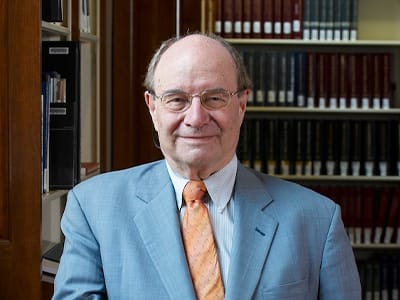
Prof. Elie Wiesel
Nobel Prize Laureate
Boston University
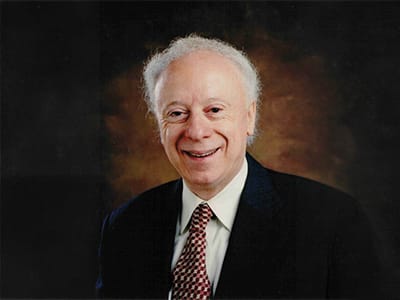
Prof. Walter Gilbert
Nobel Prize Laureate
Harvard University
Prof. Joseph Goldstein
Nobel Prize Laureate
Southwestern Medical

Prof. Paul Greengard
Nobel Prize Laureate
Rockefeller University
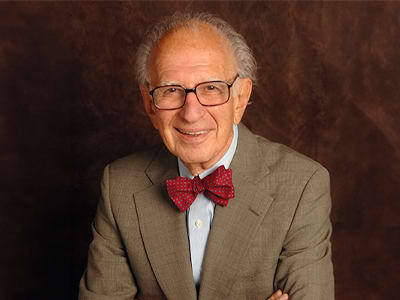
Prof. Eric R. Kandel
Nobel Prize Laureate
Columbia University
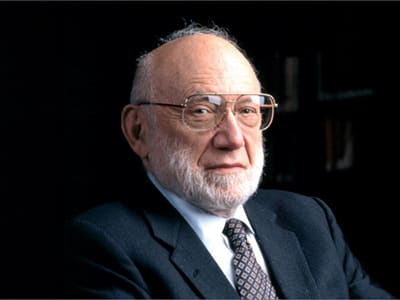
Prof. Joshua Lederberg
Nobel Prize Laureate
Rockefeller University

Prof. Bengt Samuelsson
Nobel Prize Laureate
Karolinska Institutet

Prof. Michael S. Brown
Nobel Prize Laureate
Southwestern Medical
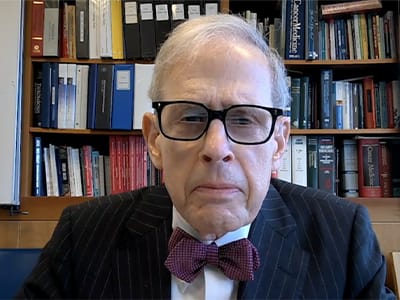
Prof. Barry S. Coller
Physician-in-Chief
Rockefeller University
The Foundation
The Galien Foundation supports the global health debate, honours historic innovations and builds public awareness.
The Foundation recognises and rewards excellence in scientific innovations that improve human health. Our mission is to create a space for the open exchange of ideas that drive science and new discoveries. Our vision is to catalyse the development of the next generation of innovative treatments and technologies that will improve quality of life and save human lives. Our reach is global, and our commitment to advancing medicine is measurable and concrete. Our members pursue this by building lasting bridges between the commercial research sector and local communities engaged in public policy, science, finance, academic research and media.
Prix Galien is an international award recognised as the equivalent of the Nobel Prize in biopharmaceutical research. Founded in France over 50 years ago by pharmacist Roland Mehl, in honour of Galen — the father of medical science and modern pharmacology — Prix Galien supports, recognises and rewards the efforts of scientists, researchers and companies committed to advancing medical innovations capable of changing human lives. In Poland and the Central and Eastern European region, Prix Galien is a unique platform bringing together the biopharmaceutical community, regulators, policy-makers and patients around a common goal: modern, accessible and effective healthcare.
Innovation Round Tables
Multidisciplinary experts analyse and develop initiatives related to, among other areas, rare and neglected diseases, emerging markets, and the role of biopharma in public health programmes.
Working Groups
Composed of corporate members, they research and produce reports on topics particularly relevant to the life sciences market in Poland and the CEE region.
Engagement with patient organisations
By engaging with patient associations, our members gain a deeper understanding of patient needs in the context of developing new therapies.
Galien International Network
A platform for collaboration and exchange of experience between national and regional Prix Galien organisations worldwide.
Galien Young Leadership Series
Following the model of the World Economic Forum, we invite young researchers to participate in debates and discussions devoted to scientific discoveries and their implementation.
Advocacy — for the development of policies and best practices that support the private research sector, including in Poland and the CEE region.
Education — of key stakeholders, including the media, on the contribution of the scientific method to a patient-centred approach to drug discovery and development.
Promotion — of productive partnerships between the life sciences industry and patient, provider and payer communities: from governments and professional associations to international organisations, academia, media and NGOs.
Honouring — outstanding achievements and breakthrough therapies that improve human health.